
Roofs and Siding Cleared of Retardant Residue
Fire Retardant Removal in Spokane for properties with visible staining and coating buildup after wildfire season
Resto Exteriors provides fire retardant removal in Spokane using a professional soft-wash method designed to rinse away retardant without damaging roofing materials or siding surfaces. After wildfire season or aerial retardant drops, properties often retain a visible coating that dries into a stubborn film across exterior surfaces. The removal process addresses both the cosmetic staining and the long-term adhesion that can complicate future maintenance if left untreated.
The service involves low-pressure cleaning that gently breaks down retardant compounds rather than forcing them off with high-pressure water, which can crack shingles, dislodge granules, or drive residue deeper into porous materials. For siding, a soft bristle brush is used to agitate the retardant and lift it from textured or vertical surfaces where rinsing alone may not reach embedded particles. This combination of controlled water application and manual agitation removes the coating while preserving the integrity of the underlying materials.
Schedule a property assessment to determine the extent of retardant coverage and the best approach for your roof and siding conditions.
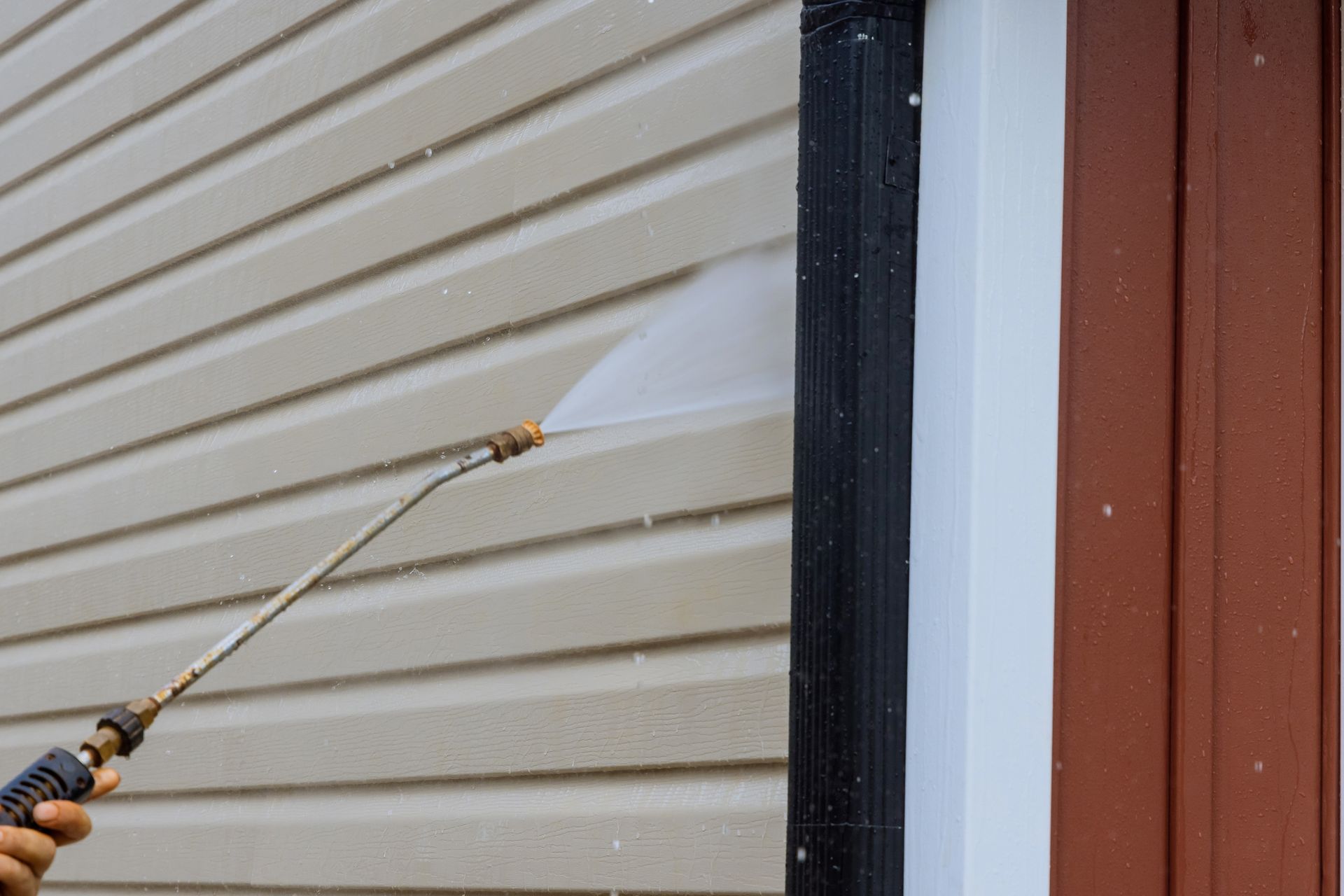
What the Soft-Wash Process Preserves
Traditional pressure washing applies force that can strip protective granules from asphalt shingles, crack composite materials, or force water under siding seams. The soft-wash method used by Resto Exteriors applies cleaning solutions at low pressure, allowing the chemistry to dissolve the retardant bond rather than relying on mechanical force. For roofs, this means the surface remains intact while the retardant is rinsed away in a controlled manner that follows the natural drainage path of the roofing system.
Once the retardant is removed, you'll notice the original color of your roofing and siding materials returns, and the surface no longer feels tacky or coated when touched. The staining that appeared as streaks or patches across shingles and siding panels is gone, and the material texture is restored without the roughness or pitting that high-pressure methods can leave behind. For siding, the soft bristle brush ensures that retardant trapped in grooves or around trim is fully lifted without scratching or dulling the finish.
The timing of removal matters because retardant becomes more difficult to remove as it cures and bonds with the surface over weeks of sun exposure. Early intervention reduces the labor and solution strength required, while waiting too long can result in permanent discoloration or the need for more aggressive methods that risk material damage. Properties with textured siding or older roofing materials benefit most from the gentler approach, as those surfaces are more vulnerable to abrasion.
What Homeowners Ask About Retardant Cleanup
Wildfire retardant removal in Spokane often raises questions about timing, process safety, and what to expect during and after the cleaning. The following answers address the most common concerns property owners have when dealing with retardant residue.
How soon after a retardant drop should removal happen?
The sooner the better, ideally within a few weeks before the retardant fully cures and bonds to the surface, making removal more difficult and time-intensive.
What makes soft-washing safer than pressure washing for this type of cleaning?
Soft-washing uses low-pressure application and relies on cleaning solutions to break down the retardant, which prevents the material damage that high-pressure water causes to shingles, granules, and siding finishes.
Why is a brush used on siding but not on roofing?
Siding has vertical surfaces and textured profiles where retardant collects in grooves and seams, so a soft bristle brush helps agitate and lift the residue without scratching, while roofing materials are more delicate and respond better to solution and rinse alone.
Will the retardant cause long-term damage if left untreated?
Retardant can trap moisture against roofing and siding materials, accelerate weathering, and create adhesion issues for future coatings or repairs, making timely removal important for maintaining material lifespan.
Does the cleaning process affect gutters or landscaping below?
The soft-wash method minimizes runoff force and allows for controlled drainage, but surrounding plants and gutters are monitored during the process to prevent chemical contact or debris buildup in drainage systems.
Resto Exteriors applies the soft-wash process with attention to material type and retardant coverage level, adjusting solution strength and brush use based on what each surface requires. Contact us to arrange an inspection and receive a detailed plan for cleaning your property's exterior surfaces after retardant exposure.